Can You Play Pickleball After a Stroke? Benefits, Safety, and How to Get Back on the Court
Quick Answer: Many stroke survivors can play pickleball, and some rehabilitation programs use it to support recovery, but it depends entirely on your individual situation, so medical clearance comes first. With your care team’s okay, pickleball may help with coordination, balance, motor control, and mood, and the game can be modified with a slower ball, a smaller or seated setup, and shorter sessions. The right approach is to work with your doctor and a physical or occupational therapist, start supervised, and progress gradually.
Pickleball can be a rewarding part of life after a stroke for many people, but recovery varies enormously from person to person. Here is what the benefits and safety considerations look like, and how to return to the court the right way.
Is pickleball safe after a stroke?
It can be, but only with medical clearance. Whether pickleball is safe depends on your specific deficits and recovery, which is why this is a conversation for your care team, not a generic yes or no.
What your team will consider:
- Your specific deficits, such as one-sided weakness, balance, vision, or coordination.
- Fall and balance risk, a major consideration after stroke.
- Fatigue and endurance, since stroke recovery affects stamina.
- Cardiovascular factors and blood pressure, before increasing activity.
- Cognitive and vision changes, which can affect tracking and reaction.
The first step is medical, not athletic. Your doctor and therapist know your situation and can tell you whether and how to play safely.
What are the potential benefits?
Coordination, balance, and connection. With clearance, pickleball may support several aspects of recovery, which is why some rehabilitation programs have begun using it.
Potential benefits reported in rehab settings:
- Motor control and coordination, from tracking and returning the ball.
- Balance, challenged gently through movement and positioning.
- Mood and social connection, countering the isolation and depression that can follow a stroke.
- Motivation, since the game’s fun and community can raise adherence to rehab.
One occupational therapy program built an adaptive pickleball station into a stroke center precisely because survivors engaged with it so enthusiastically. The social and motivational side can be as valuable as the physical practice. For broader benefits, see our guide on balance and fall prevention.
How do you get back on the court?
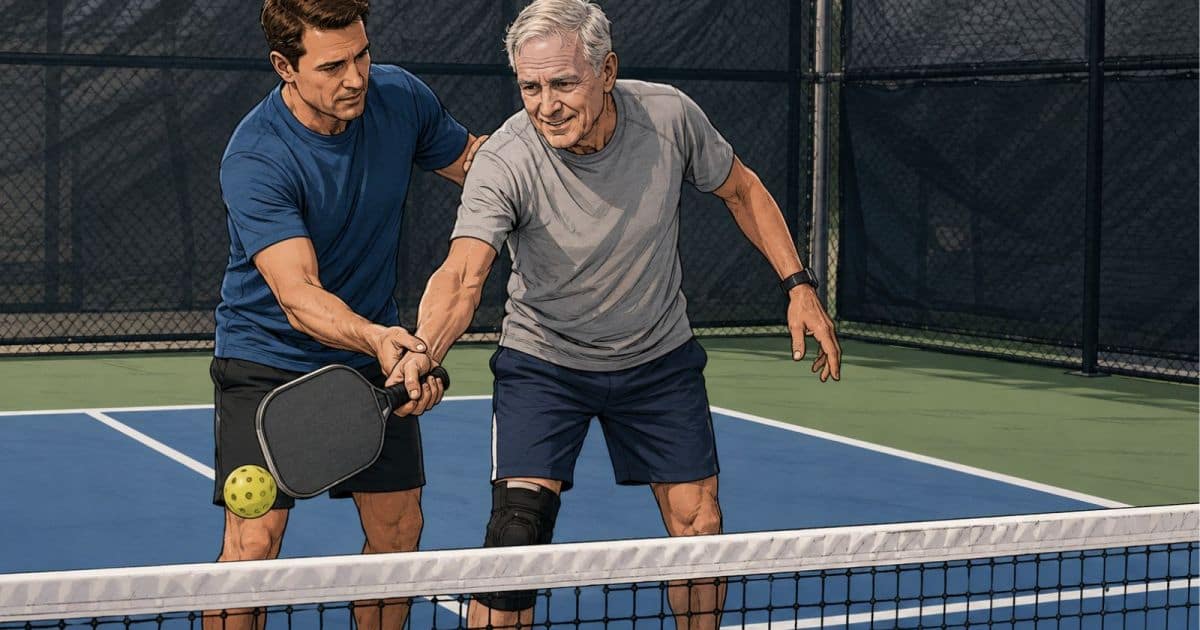
Work with your team and modify the game. A safe return is gradual, supervised, and tailored to you. Modifications make the game accessible at almost any stage of recovery.
How to return safely:
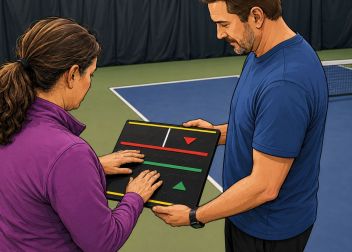
- Start with your therapist, ideally a physical or occupational therapist familiar with your case.
- Begin in a rehab or adaptive program, in a supervised setting.
- Modify the game, with a slower ball, a smaller court, or seated and wheelchair play. See our guide on wheelchair pickleball rules.
- Keep sessions short, building endurance gradually.
- Use adaptive equipment as needed, like grip aids or balance supports. See our guide on adaptive equipment.
- Progress slowly, adding intensity only as your team advises.
Patience is everything in stroke recovery, and so is the right support. For inclusive options, see our guide on pickleball for people with disabilities, and to find a provider, browse our physicians and therapists directory.
Frequently asked questions
Is pickleball safe after a stroke? It can be for many survivors, but it depends entirely on your individual recovery and deficits, so medical clearance comes first. Your doctor and therapist can advise whether and how to play safely.
Can stroke survivors play pickleball? Many can, with their care team’s approval, and some rehabilitation programs use adaptive pickleball to support recovery. The game can be modified with a slower ball, a smaller or seated setup, and shorter sessions.
What are the benefits of pickleball after a stroke? With clearance, it may support coordination, balance, and motor control, along with mood and social connection. Some rehab programs use it because survivors engage with it enthusiastically.
What precautions should stroke survivors take? Get medical clearance first, start supervised, watch fall and balance risk, manage fatigue, keep sessions short, use modifications and adaptive equipment, and progress only as your care team advises.
How can the game be modified after a stroke? With a slower ball for more reaction time, a smaller court, seated or wheelchair play, shorter sessions, grip aids, and balance supports. A therapist can tailor the setup to your specific needs.
Should I talk to a doctor before playing pickleball after a stroke? Yes, absolutely. Stroke recovery is highly individual, and a doctor and rehabilitation team should clear you and guide your return to activity before you start, to keep it safe and effective.
For many survivors, pickleball can be a rewarding part of recovery, with the right medical guidance. Explore inclusive options in our guides on pickleball for people with disabilities and adaptive equipment, and find a provider in our physicians and therapists directory.
*This article is general information, not medical advice. Talk with your doctor about your own health before starting a new sport.
Written by the Pickler Junction Team.