The Benefits of Pickleball for Seniors: Why It’s Good and What Studies Show
Quick Answer: The benefits of pickleball for seniors are physical, mental, and social all at once. Studies show better cardiovascular fitness, lower blood pressure and cholesterol, improved balance, and stronger bones, while research links regular play to lower depression and loneliness. Pickleball is good for seniors because its small court, slow ball, and easy learning curve deliver real exercise without high impact, in a social setting that keeps people coming back.
Pickleball is a paddle sport that has become especially popular with older adults, and the research increasingly explains why. It combines moderate exercise with social connection on a small, manageable court, hitting several pillars of healthy aging at once. Here is what studies show and why pickleball is so good for seniors.
What does the research say about pickleball for seniors?
It points to real cardiovascular and mental-health gains. Several studies have looked at pickleball specifically, and the findings are encouraging for older players.
What the research shows:
- Cardiovascular fitness: ACE-sponsored research at Western State Colorado University followed 15 adults aged 40 to 85 playing four 15-minute matches three days a week for six weeks, and found improved blood pressure, cholesterol, and cardiorespiratory fitness in just a month and a half.
- Mental well-being: a 2023 systematic review in Frontiers in Psychology examined 13 studies of mostly older adults and found gains in well-being, life satisfaction, and happiness, plus reductions in stress and depression.
- Mood: data from the large Apple Heart and Movement Study found regular pickleball players had notably lower odds of reporting depressed mood.
The combination is what makes it unusual. Few activities deliver heart, brain, and social benefits in one fun package the way pickleball does for older adults.
What are the physical benefits of pickleball for seniors?
Cardio, balance, and bone strength. It is weight-bearing with lateral loading rather than low impact, and peak heart rate averages around 143 beats per minute. Pickleball delivers meaningful fitness gains in a form that is gentler than many sports, which matters more as we age.
The physical benefits:
- Cardiovascular fitness, with research showing lower blood pressure and improved cholesterol.
- Balance and coordination, from lateral movement and quick adjustments, which support fall prevention.
- Bone health, since it is weight-bearing. See our guide on pickleball and osteoporosis.
- Muscle strength and endurance, especially in the legs and core.
- Lower impact than running or singles tennis, easier on the joints.
- Sustainable activity, because it is fun enough to keep doing.
Doubles play measures 4.1 METs, which is moderate intensity: active enough to help and sustainable enough to keep up. That is the sweet spot for senior fitness.
What are the mental and social benefits?
Better mood, sharper mind, and genuine community. For many seniors, the social and mental gains matter as much as the physical ones. This is where pickleball truly shines for older adults.
The mental and social benefits:
- Better mood, with research linking play to lower depression and loneliness. See our guide on pickleball and mental health.
- Cognitive stimulation, from quick decisions, strategy, and hand-eye coordination.
- Social connection, a powerful protector against isolation.
- A fun routine, giving structure and something to look forward to.
- A sense of belonging, which supports overall well-being.
The social piece deserves emphasis. Loneliness is a real health risk in later life, and pickleball’s built-in community is one of its best medicines.
Why is pickleball good for seniors specifically?
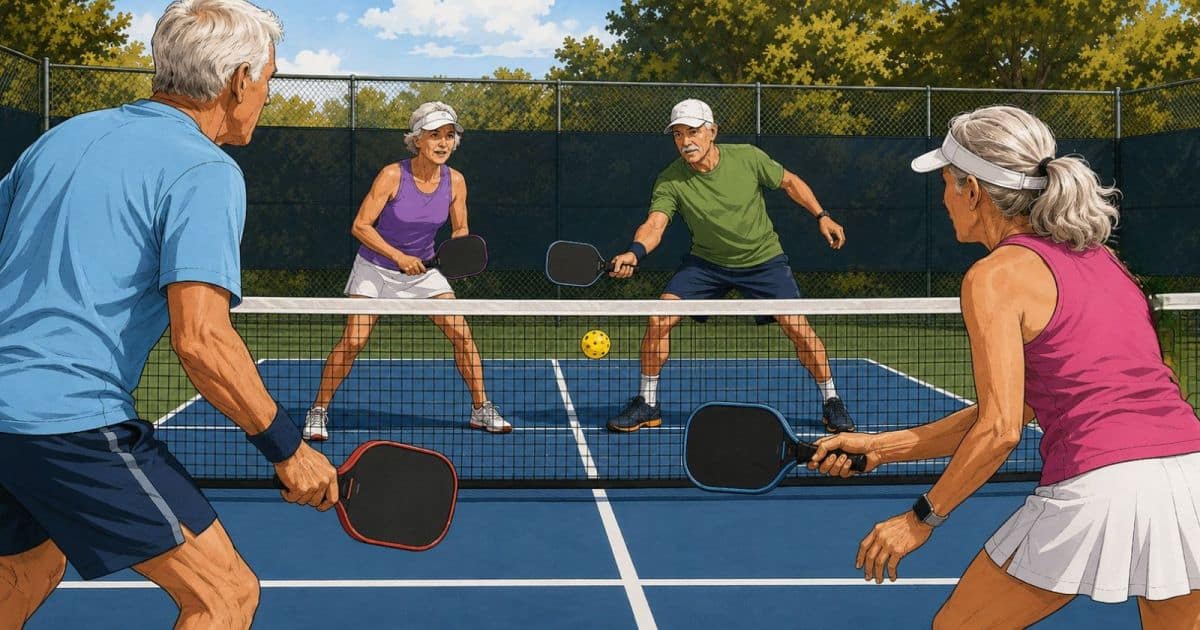
Its design fits older players perfectly. Beyond the benefits themselves, pickleball is well-suited to seniors because the game is gentle, accessible, and social by nature.
Why the game fits older adults:
- A small court, requiring less running than tennis.
- A slower, lighter ball, giving more time to react.
- An easy learning curve, so beginners play quickly.
- Doubles play, which shares the court and the effort.
- Adjustable intensity, from gentle social games to real competition.
Pickleball was almost tailor-made for older players, providing genuine activity while being forgiving on the body and easy to pick up, which is exactly why so many seniors love it.
Is pickleball safe for seniors?
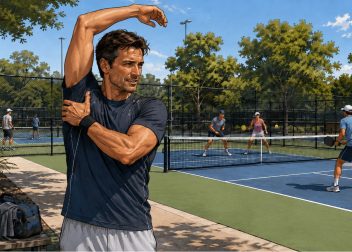
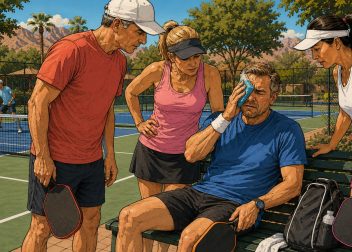
Generally yes, with sensible precautions. It is lower-impact than tennis and easy to learn, but older players should ease in and guard against the most common issues, which are strains, sprains, and falls.
Smart steps for older players:
- Get your doctor’s okay before starting, especially with heart, joint, or bone conditions.
- Warm up first, using our pickleball warm-up routine.
- Build strength and balance off the court to reduce fall risk.
- Start slow and increase play as your fitness grows.
- Stop when fatigued, since pushing through tiredness raises injury risk.
For a full look at injury risk and prevention, see our dedicated guide on whether pickleball is safe for seniors. If you have a specific condition, a physical therapist or sports medicine provider can help you play safely and confidently.
Frequently asked questions
What are the benefits of pickleball for seniors? Physical, mental, and social benefits at once: better cardiovascular fitness, lower blood pressure and cholesterol, improved balance, stronger bones, better mood, and strong social connection, all in a low-impact, accessible game.
Why is pickleball good for seniors? Because it combines gentle, accessible exercise with strong social connection. The small court, slow ball, and easy learning curve deliver real fitness without high impact, while the social side builds friendship and counters isolation.
Is pickleball healthy for seniors? Yes. Research links it to better cardiovascular fitness, improved blood pressure and cholesterol, stronger bones, better balance, and improved mood, making it one of the better all-around activities for older adults.
Does pickleball help seniors mentally? Yes. Studies show lower depression and loneliness and better life satisfaction, driven by the mix of exercise, mental engagement, and social connection.
Is pickleball safe for older adults? Generally yes, with precautions. It is lower-impact than tennis, but warming up, building balance, and not overplaying help prevent the most common injuries, which are strains, sprains, and falls.
How often should seniors play pickleball? Several moderate sessions a week support the health benefits, but build up gradually and rest as needed. Consistency matters more than long, intense sessions.
What age is too old for pickleball? There is no set cutoff. Many people play well into their 80s, adjusting intensity to suit them. The key is starting at the right level and getting medical clearance if you have health conditions.
Pickleball checks a lot of healthy-aging boxes at once, blending gentle fitness with genuine community. Explore the specifics in our guides on balance and fall prevention, mental health, and bone health. To play safely with any condition, connect with a physician or therapist.
*This article is general information, not medical advice. Talk with your doctor about your own health before starting a new sport.
Written by the Pickler Junction Team.